
As a software seller, it’s pretty advantageous to sell either a system of truth – a system where users spend most of their time and can’t live without – or a valuable utility – software that makes other software so easy that it’s indispensable – so that means you need to lean one way or the other.
Both a system of truth and a valuable utility check the boxes for usability and benefit:
-
they are “sticky” because you don’t want to give them up
-
you use them because they improve your business so much (or make it possible)
-
they tend to crowd out other software over time
But most software doesn’t land squarely in either camp right at the beginning of the customer journey, unless the customer is starting a brand new business or aligned 100% with the vision of your software and all of the pieces fit into place immediately.
A more common outcome is to find a puzzle piece that looks like it matches, and it’s hard to know whether you found the right answer is to build out more of the system. When a customer really likes part of your software and dislikes (or is distracted by) other parts, you had better be able to hide the stuff they don’t like.
Is your software modular?
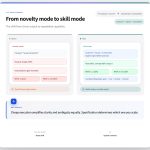
What do we mean when we talk about software being “modular”? The core of the idea is the ability to turn features on and off without disabling the utility the customer is trying to use. You might have certain features that are bundled, but they can all be toggled on or off as a group.
Modularity implies that when pieces of the software are used separately, they can be combined into a bigger whole that delivers more value. The initial dopamine hit of using a feature builds when you use features are similarly designed and interconnected. Instead of seeing them all at once, you get introduced to the software in small bites.
What does this mean in practice?
-
A control panel to hide “apps” that aren’t frequently used
-
An underlying structure of platform that supports a variety of configurations based on a common data schema
-
The ability to import (and export) data
Adopting software is a leap of faith – you want it to be easy for your customers to make small jumps before they take a big one.
What do customers want from your software?
Custmers want the optionality to use as much of the software as they want without having to commit, and then to commit when it becomes a valuable part of their business. They might only want a way to improve their current systems, or be open to the idea of using something completely new if their data and customers come along for the ride.
How can you attract those prospects? Turn off the complexity (or hide it) in your software. Mimic or improve their current process. Make it so easy for them to try out the new thing that they are open to making a bigger change, while demonstrating value with their existing data so it feels familiar.
What’s the takeaway? Buyers want optionality. Configuring your software so that it allows them to try a little or a lot of it at a time, while letting them add on features later is a great strategy to demonstrate improvements to their current system. It also gives you a path to sell them on building a new system of record where they can compound the value for their business.